Signs Your Basement or Foundation Needs Waterproofing
Noticing signs your basement or foundation needs waterproofing can help local contractors protect your home from water damage and structural issues.
Homeowners in the area who notice certain issues in their basements or around their foundations may find it helpful to explore signs that indicate waterproofing could be needed. Common indicators such as persistent dampness, musty odors, or visible water stains often point to underlying moisture problems that, if left unaddressed, can lead to structural concerns or mold growth. Recognizing these early warning signs can help property owners take proactive steps to protect their investments and maintain a safe, healthy living environment. Local contractors specializing in basement and foundation waterproofing are equipped to assess these issues and recommend effective solutions tailored to the specific needs of each property.
Understanding the practical reasons for paying attention to signs your basement or foundation needs waterproofing can save homeowners time and money down the line. Water intrusion not only damages interior finishes but can also compromise the integrity of the foundation itself. If these issues are detected early, experienced service providers can often implement waterproofing measures that prevent further damage and improve the overall stability of the property. Keep reading to learn more about common signs and how local experts can assist in safeguarding the home’s foundation against moisture-related problems.
- Basement waterproofing - homeowners noticing water stains or dampness on basement walls often seek waterproofing services from local contractors to prevent further moisture intrusion.
- Foundation waterproofing - visible cracks or shifting in the foundation can signal the need for waterproofing work, which local service providers approach with targeted sealing and drainage solutions.
- Basement waterproofing - persistent musty odors or mold growth may indicate hidden water issues, prompting local pros to evaluate and implement effective waterproofing methods.
- Foundation waterproofing - signs of efflorescence or mineral deposits on basement surfaces can suggest water penetration, leading local contractors to recommend appropriate waterproofing treatments.
- Basement waterproofing - water pooling or seepage during heavy rains can prompt homeowners to seek local experts for waterproofing to safeguard their foundation.
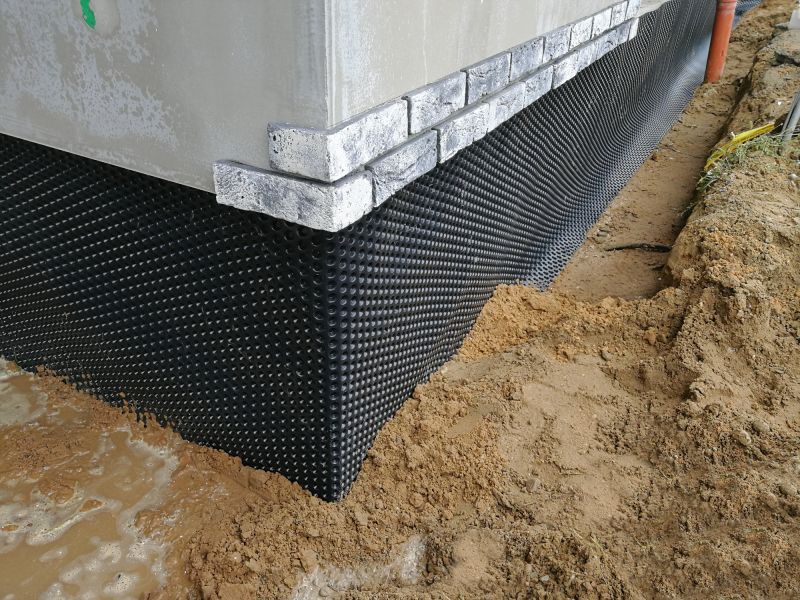
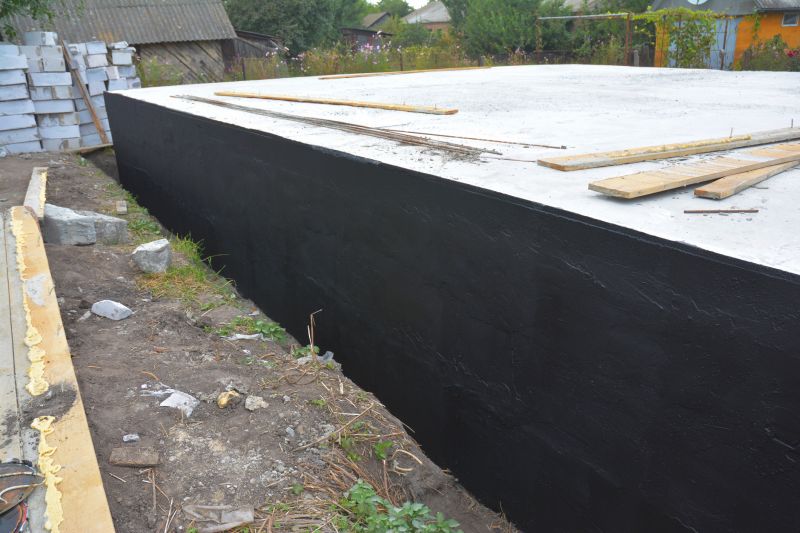
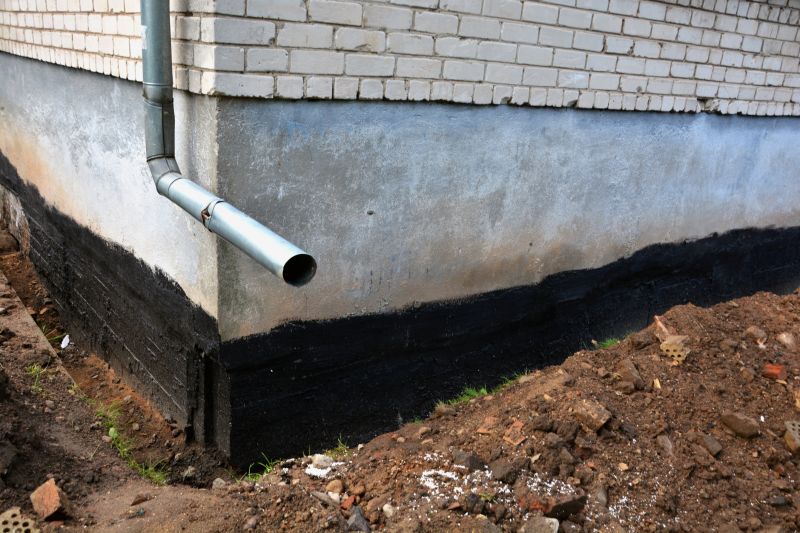
When homeowners search for signs their basement or foundation needs waterproofing, they are usually trying to identify early indicators of potential water intrusion or structural issues. These signs often relate to visible symptoms such as damp or wet walls, persistent moisture, or mold growth in the basement area. Many people are concerned about the possibility of water leaks during heavy rains or snowmelt, which can lead to damage if not addressed promptly. Recognizing these warning signs early can help homeowners plan for waterproofing solutions before more serious problems develop, making it a common topic for those looking to protect their property investment.
This topic is closely connected to a range of problems and planning considerations that homeowners face. For example, ongoing dampness or water stains on basement walls can suggest that groundwater is seeping through cracks or porous materials. Cracks or shifts in the foundation may also be linked to water pressure exerted from outside, especially after storms or periods of heavy rain. Many property owners consider waterproofing when planning renovations or repairs to prevent future damage, improve indoor air quality, or maintain the value of their homes. Local contractors often evaluate the severity of these signs to recommend appropriate waterproofing methods, whether that involves sealing cracks, installing drainage systems, or applying waterproof coatings.
The types of properties that typically come up in discussions about basement or foundation waterproofing include residential homes, especially those with basements or crawl spaces. Older houses are often more susceptible to water infiltration due to aging materials and outdated drainage systems. Newer homes may also experience issues if construction flaws or poor grading allow water to collect near the foundation. Commercial buildings and multi-family residences can face similar challenges, particularly if their foundations are exposed to high water tables or poor site drainage. For homeowners, understanding how these signs relate to their specific property type helps determine whether waterproofing is a necessary step to safeguard the structure and prevent costly repairs.
Local service providers who specialize in basement and foundation waterproofing are equipped to assess these signs and recommend tailored solutions. They often perform thorough inspections to identify the source of moisture problems, whether it’s cracks, inadequate drainage, or hydrostatic pressure. These professionals can then suggest appropriate measures, such as installing sump pumps, applying sealants, or improving exterior grading. For homeowners noticing signs like water stains, musty odors, or cracked walls, connecting with experienced local contractors ensures that the underlying issues are addressed effectively. Proper waterproofing not only protects the foundation but also helps maintain a healthy, dry basement environment, making it a vital step in home maintenance and preservation.
Interior Wall Repair - addressing cracks, mold, or water stains on interior basement walls involves skills similar to waterproofing, with local contractors able to assess and treat underlying moisture issues.
Drainage System Installation - installing proper exterior or interior drainage solutions requires planning and tools comparable to waterproofing projects to prevent water intrusion.
Sump Pump Installation - setting up sump pumps to manage water buildup shares techniques with waterproofing efforts aimed at controlling basement moisture levels.
Foundation Crack Repair - sealing and stabilizing foundation cracks involves similar skills to waterproofing, focusing on preventing water from entering through structural flaws.
Moisture Barrier Application - applying vapor barriers or sealants on basement surfaces uses comparable planning and materials as waterproofing services to reduce dampness.
Landscape Grading Services - adjusting soil slopes around a property to direct water away from the foundation involves planning skills aligned with waterproofing to prevent water damage.
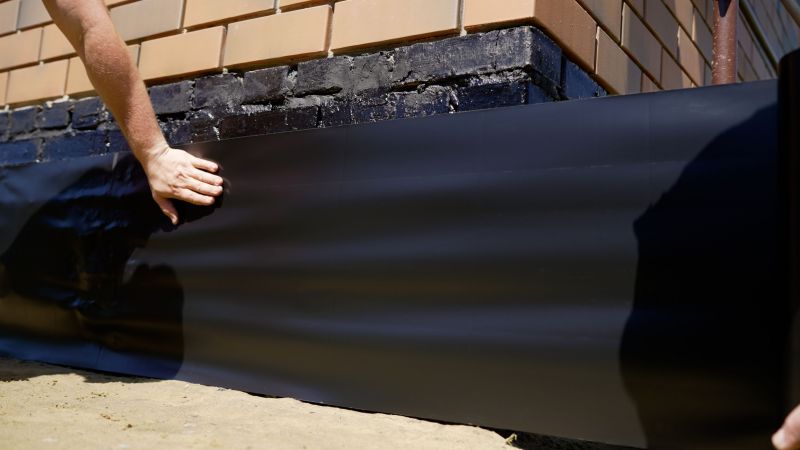
When evaluating local contractors for basement or foundation waterproofing, it is important to consider their experience with similar projects. Homeowners should inquire about the types of waterproofing systems the service providers have installed and whether they have successfully addressed issues like water intrusion, mold, or foundation cracks in comparable settings. A contractor’s familiarity with the specific signs that indicate a basement or foundation needs waterproofing can help ensure they understand the nuances of each situation and recommend appropriate solutions.
Clear written expectations are essential when comparing service providers. Homeowners should seek detailed descriptions of the scope of work, including what the waterproofing process entails, materials used, and any necessary preparatory or follow-up steps. Having this information in writing helps prevent misunderstandings and ensures that both parties are aligned on what will be done. It also provides a reference point for evaluating different contractors’ proposals and assessing their professionalism and transparency.
Reputable references and good communication are key factors in selecting a reliable service provider. Homeowners are encouraged to ask for references from previous clients who had similar waterproofing needs, and to verify the quality of the work performed. Additionally, service providers who communicate clearly, respond promptly to questions, and explain their recommendations in understandable terms tend to foster a more positive working relationship. This level of transparency and responsiveness can be a strong indicator of a contractor’s commitment to quality and customer satisfaction.
Property owners often search for signs your basement or foundation needs waterproofing when they are planning practical projects around their homes and businesses. Local pros provide Basement or Foundation Waterproofing services for everyday jobs and straightforward project options.
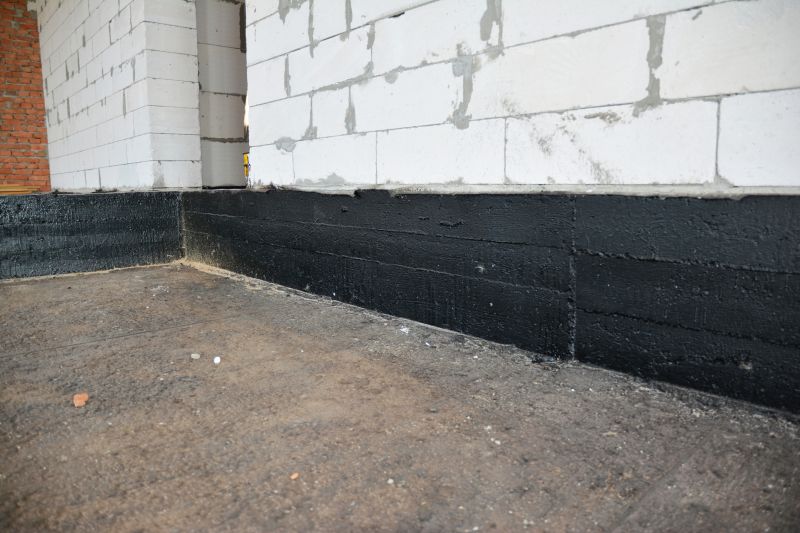
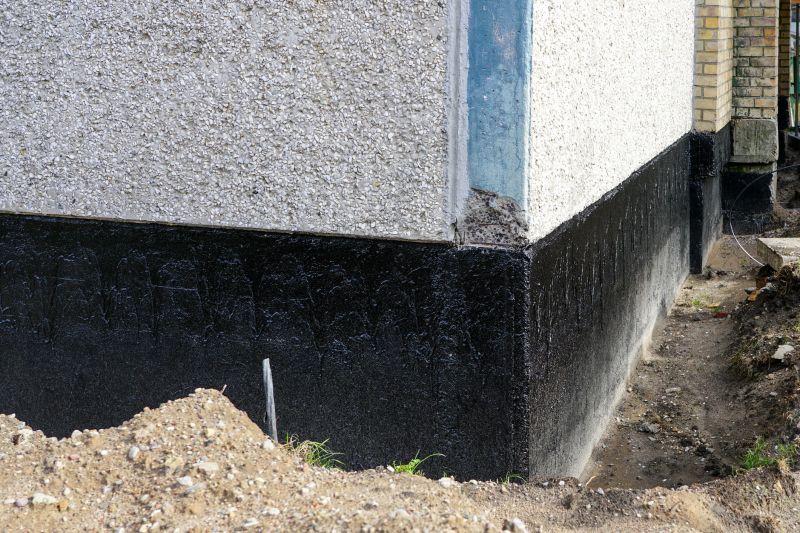
Many property owners notice signs that their basement or foundation may need waterproofing during routine home inspections or after heavy rainfall. Common indicators include persistent dampness or a musty smell in the basement, which can suggest moisture infiltration. Cracks in basement walls or the foundation itself might also appear over time, signaling potential water intrusion issues. These visible signs often prompt homeowners to explore waterproofing options to protect their property from further damage and maintain a healthy living environment.
Additionally, some property owners observe water pooling around the foundation or notice increased humidity levels inside the basement. In colder months, frost or ice buildup on basement walls can be a sign of excess moisture seeping through. Such issues are often best addressed by local contractors specializing in waterproofing services, who can assess the situation and recommend appropriate solutions. Recognizing these signs early can help property owners connect with experienced service providers who can help preserve the integrity of their home.
What are common signs that indicate my basement or foundation may need waterproofing? Visible water stains, mold growth, or persistent dampness are common signs that suggest waterproofing services might be needed to protect the foundation.
How can I tell if my basement has a moisture problem? If you notice a musty smell, peeling paint, or condensation on walls and windows, it could indicate moisture issues that require waterproofing solutions from local contractors.
Are cracks in the foundation a sign of waterproofing needs? Yes, large or expanding cracks can allow water intrusion and are often a sign that waterproofing or foundation repair services are necessary.
What role do drainage issues play in foundation problems? Poor drainage around the property can cause water to pool near the foundation, leading to potential water damage and the need for waterproofing by local service providers.
When should I consider waterproofing my basement or foundation? Waterproofing should be considered if there are signs of water intrusion, dampness, or structural cracks, especially after heavy rains or seasonal changes, prompting consultation with local contractors.
Cracks in foundation walls - noticing large or growing cracks can indicate water pressure issues, prompting property owners to seek waterproofing services from local contractors.
Persistent dampness or mold - identifying damp spots or mold growth in the basement can lead homeowners to explore waterproofing options with trusted service providers.
Water stains or efflorescence - seeing white, powdery deposits or water stains on basement surfaces may signal moisture intrusion that requires professional waterproofing solutions.
Musty odors or air quality concerns - experiencing musty smells can suggest hidden moisture problems, encouraging property owners to consult local experts for waterproofing assistance.
If you are thinking about signs your basement or foundation needs waterproofing for a property, this guide is meant to help you understand this topic, the typical project types, and how different options might fit your plans.
When you are ready, you can use the quote form on this page to share a few details about your project. From there, local pros can review the basics and follow up with options that match what you have in mind.